
The Short Version
The best gift cards for someone who’s hard to shop for depend on why they’re hard to shop for. Someone with specific tastes may appreciate a gift card to their favorite store. Someone saving for a big purchase might love help getting there. Someone who doesn’t want more stuff may prefer dining, entertainment, or an experience. And someone who already has everything might enjoy a charitable gift—if giving back is important to them.
The trick isn’t to find one gift card that works for everyone. It’s to figure out what would make this particular person happy.
Jump Ahead!
Click a section to jump to what you need.
Why Are Some People So Hard to Shop For?
People have told me I’m hard to shop for, and it always puzzles me.
First of all, I have a pretty long wish list. There’s a rocking chair I’d love to have, curtains I still need for my bedroom, and picture frames for a gallery wall I’ve been planning. I know exactly what I want. The problem isn’t that I don’t have needs or wants—it’s that those purchases take a back seat to paying off a couple of loans, buying groceries for a family get-together, medical co-pays, and repairs I’d rather not make but need to.
And like a lot of parents, I also tend to spend money on my kids and family before buying things for myself. So my wish list keeps waiting. And yeah, I guess I don’t exactly advertise what I’m longing for, especially when I have something specific in mind.
But here’s the thing: I’ve waited this long to get the rocking chair I really want. I’d rather keep waiting than have someone spend their hard-earned money on a chair that isn’t quite right. Because then I’d feel obligated to keep it out of kindness and old-fashioned, gift-receiving etiquette—or I’d have to admit it wasn’t what I wanted.
Which probably just perpetuates the myth that I’m hard to shop for.
Meanwhile, there are plenty of easy gifts for me. I love candles. I like nice pajamas. I have favorite products I use all the time. Anyone paying attention could probably come up with a few ideas. And if they ask, I’ll happily tell them. (You can never have too many candles.)
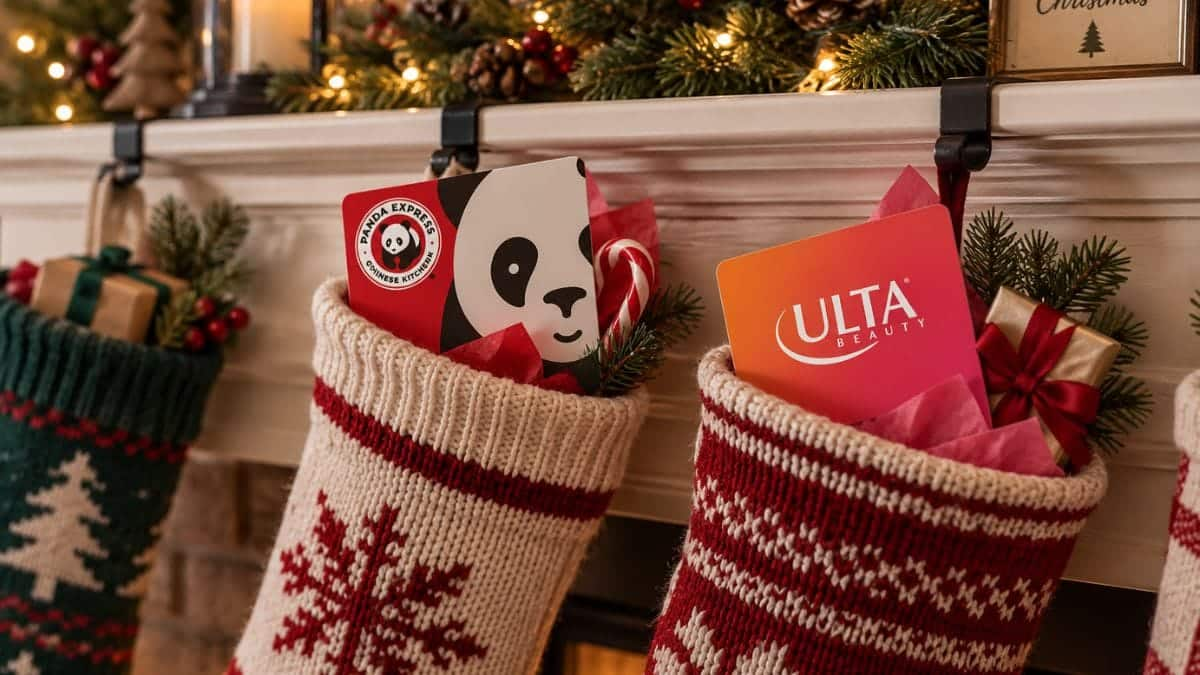
In fact, people occasionally ask my kids if there’s a gift card they could get me that I would spend on myself instead of the family. My kids know exactly what to tell them: Panera or Athleta.
Panera is a healthy drive-thru option, and it’s not usually my kids’ first choice. So that gift card really does become a treat for me. And Athleta is my splurge. I love good athleisure wear, but I don’t always want to spend the money on it. And I like knowing I can also use the gift card at Gap or Banana Republic if I need something more business-casual or dressy.
See? I’m not that hard to shop for after all.
But I can see why someone might think I am. I don’t talk much about what’s on my wish list, and I’m pretty good at putting my own wants on hold. If you didn’t know me well, you might not know where to start.
And that’s really the thing about people who are supposedly hard to shop for. There’s usually a reason.
Maybe they know exactly what they want. Maybe they have everything they need. Maybe they don’t want more stuff, or they have a hobby you don’t know how to support. Or maybe you just haven’t figured out what makes them happy.
Before you decide what to give someone who’s hard to shop for, figure out why they’re hard to shop for in the first place.
That’s how you find a gift card they’ll actually be excited to use.
Here are the situations I run into most often.

Best Gift Cards for Someone Who’s Hard to Shop For
1. For Someone Who Knows Exactly What They Want
I fall squarely into this category. I don’t really want someone to pick out a rocking chair for me. I want the rocking chair I’ve already picked out. And I suspect plenty of people feel the same way about clothes, home décor, electronics, and just about anything else they’ve spent time researching or imagining.
That’s why I think a gift card to the right store can be more personal than choosing the item yourself. You’re showing that you know what they’re interested in while giving them the freedom to get exactly what they want.
Take home furnishings, for example. Depending on the person, you might choose The Home Depot, Lowe’s, Crate & Barrel, World Market, HomeGoods, or another store they shop. And if you know them reasonably well, you probably have some clues about which one they’d prefer.
My friend Jackie goes to HomeGoods regularly. She might be hunting for Halloween decorations, fresh Christmas stockings, or another addition to her growing gnome collection. My friend Stacey is much the same. For either of them, a HomeGoods gift card would be a pretty safe bet because browsing the store is half the fun.
One of my sons, on the other hand, is more like me. He’s a minimalist, and anything he brings into his home has to be something he actually wants or needs—and it has to fit the vibe. For him, I’d probably choose Home Depot, Amazon, or Target. If he doesn’t find something he loves, he can always use the card for lightbulbs, batteries, toilet paper, or another household essential. Nothing goes to waste.
Here’s another little trick I like: tell the recipient what you had in mind without making the decision for them. You could say, “I saw these picture frames and thought they’d be perfect for your gallery wall, but I got you a gift card so you can pick the ones you like best.”
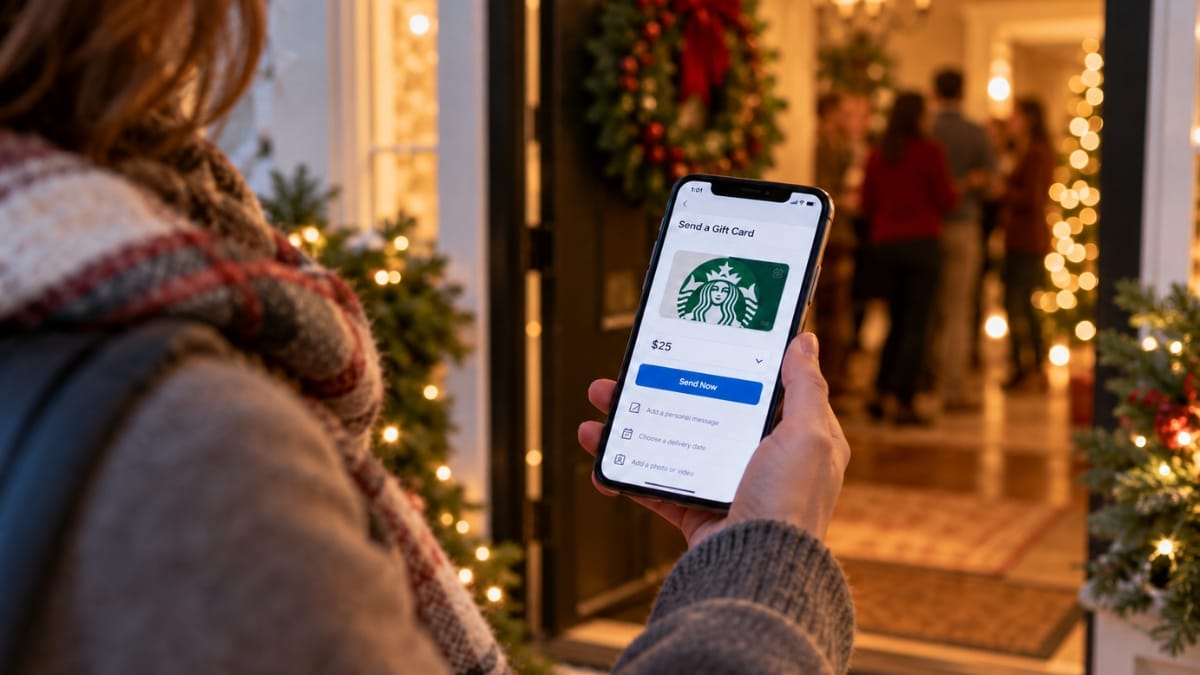
We actually have a feature that takes this idea a step further. With eGifter’s suggested gift technology, available through our eGifter Merchants platform, a brand can let customers include a link to a specific product when sending a gift card. You can see it in action on DSW’s website, where someone sending a digital DSW gift card can suggest a particular pair of shoes. The recipient is free to choose something else, but the suggestion makes the gift more personal.
My advice: If you know where someone loves to shop, start there. If you’re less certain, choose a versatile store. And whenever you have a specific gift in mind, don’t be afraid to share the idea while leaving the final choice to them.

2. For Someone Who Always Puts Everyone Else First
Actually, this might describe me even better than the first category. It’s not that I don’t want nice things. It’s that there’s usually something more pressing to spend money on. The kids need Halloween costumes, the roof springs a leak and has to be fixed, or another unexpected expense pops up, and suddenly that gallery wall or trendy blanket can wait.
I’m not being selfless, mind you. I’m just being practical. Like most families, we have a budget, and the fun purchases don’t always make the cut. Even though my kids are older now, I still find myself thinking about what they need first. And then, of course, there are the grandkids. :)
You probably know someone like this. Someone who would genuinely enjoy a little treat but can always think of a dozen other things to spend the money on.
And that’s one of the biggest reasons I love giving gift cards.
Cash and Venmo are great gifts, especially when someone genuinely needs help with everyday expenses. But if your goal is to treat someone to something special, that money can disappear into groceries, bills, or whatever else needs paying. A gift card to a specific place gives them a reason to enjoy something they might otherwise keep postponing.
For example, I’m planning to give my daughter a gift card to a little pottery studio she loves, along with an offer to babysit. If I sent her money through Venmo and said, “Go enjoy making pottery,” I suspect she’d find something more pressing to spend it on. But a gift card to the studio, plus someone to watch the kids? Now she has an afternoon to look forward to, and two of the biggest reasons to put it off are already taken care of.
(Of course, this only works if I put enough money on the gift card to make it a Whole Gift. That means she can enjoy the experience without having to spend her own money. I explain the idea in my post on how much to put on a gift card.)
That’s the kind of gift I’m talking about. Not necessarily something extravagant, but something that gives a person a little time, joy, or freedom they don’t often allow themselves.
Maybe it’s a nice dinner, a new purse, a manicure, or an afternoon shopping without having to think about everyone else’s needs. The important thing is to choose something they genuinely enjoy but rarely prioritize.
That’s also why I appreciate the Panera and Athleta gift cards I mentioned earlier. They’re clearly meant for me. My boys aren’t going to ask me to spend a Panera gift card on their favorite meal, and while my daughter would happily shop at Athleta, she’d never take a card someone gave me. She knows the whole point is for Mom to have a treat.
Of course, there’s a difference between giving someone a gift and telling them how to live their life. Nobody needs a lecture about self-care tucked inside a greeting card.
My advice: Think about what this person keeps putting off for themselves, then give them a little help making it happen. And when you present the gift, keep it simple: “I know how much you love this place, and I wanted you to have something that’s just for you.”

3. For Someone Who Already Has Everything
Then there are people who really can buy whatever they want. They have the resources to take care of their needs, their wants, and then some. So what am I going to give them that they couldn’t easily get for themselves?
In situations like that, I don’t try to compete with their buying power. I have my own budget to work with, and stretching it isn’t going to make my gift any more meaningful. Besides, I doubt the recipient would want me doing that anyway.
Instead, I have three suggestions.
First, give them something to experience.
A meaningful gift doesn’t have to be expensive. It could be a homemade dessert made from a secret family recipe, tickets to something you can enjoy together, or a fun activity they might not have thought to plan for themselves.
One Easter, I wanted to thank a family who had welcomed my daughter into their home while she was away at school. I found a baker near them who made cookie-decorating kits and had one delivered. It wasn’t a particularly expensive gift, but it was a fun surprise—and it gave the family something delicious to do together.
You could take the same approach with an entertainment experience, a class, or a subscription. And if you’re not sure which activity or product they’d enjoy most, a gift card can let them make that choice themselves.
Second, make it personal.
A few years ago, a friend called me for advice after a generous donor gave her school a large amount of expensive technology equipment. She was incredibly grateful and wanted to send a thank-you gift. She was considering a Visa gift card but had no idea how much to put on it.
I told her I wouldn’t send one at all.
The donor hadn’t given the equipment expecting something of equal value in return. That was the whole point of the gift. And no gift card amount was going to repay that generosity anyway.
Instead, I suggested handwritten thank-you notes from the students, perhaps accompanied by a photo of the kids using the new equipment. Imagine being the donor and seeing exactly what your generosity made possible. I think that would mean far more than a gift card.
The same idea works for holidays and birthdays. You could make a list of 25 reasons you love the recipient and deliver it with a $25 gift card to a favorite smoothie shop. Or skip the gift card entirely. The personal message is the item they’ll treasure.
And here’s something else I’ll admit: when someone has plenty of money, a gift card can sometimes feel like one more thing they have to remember to use. If I’ve heard rumblings that they don’t like gift cards, or I genuinely doubt they’ll redeem one, I’m not going to buy it. I don’t want my gift to become a chore, and I can’t afford to have the money go to waste either.
Sorry, fellow gift card fans. Sometimes the best gift isn’t a gift card. (There, I said it.)
Third, consider a gift that gives back.
With CharityChoice or Charity On Top, you can give a gift card that the recipient uses to support an eligible charitable organization. They get to choose where the money goes, whether that’s education, animal welfare, veterans, helping families in their community, or any number of other causes.
It’s a particularly thoughtful option for someone who already has everything they need and enjoys using their resources to help people who don’t.
My advice: When someone can buy whatever they want, stop worrying about matching what they can afford. Give them an experience, a meaningful reminder of your relationship, or a chance to support something they believe in. And if a gift card doesn’t fit the person, don’t force it.

4. For Someone Who Doesn’t Want More Stuff
Some people aren’t hard to shop for because they’re picky or have expensive tastes. They just don’t want more stuff. Maybe they’re downsizing, trying to declutter, or perfectly happy with what they already own. Whatever the reason, the last thing they want is another decorative object, kitchen gadget, or sweater to find room for.
For these people, I’d think about something they can enjoy rather than something they have to keep. A favorite restaurant, a movie night, a cooking class, or even a really good takeout meal can make a thoughtful gift without adding anything permanent to their home.
A DoorDash gift card could mean dinner without cooking or cleaning up. A Benihana gift card is a fun evening with a side of entertainment, and movie and entertainment gift cards offer plenty of ways to enjoy an afternoon or evening.
Of course, experiences can create their own obligations. A gift card to a restaurant across town isn’t especially helpful if the recipient doesn’t drive, and tickets to an event aren’t much fun if they can’t attend.
My advice: If someone doesn’t want more stuff, give them something to enjoy, use up, or look forward to. Just make sure it’s convenient for them to use. The whole point is to give them a little enjoyment, not another errand to run.

5. For Someone Who Never Tells You What They Want
We all know someone whose answer to “What do you want for your birthday?” is “Nothing” or “I don’t know.”
Maybe they genuinely don’t have anything in mind. Maybe they don’t want you spending money on them. Or maybe they just don’t like being put on the spot. Whatever the reason, you’re left trying to figure it out yourself.
This is when I’d pay attention to their everyday habits and casual conversations. Where do they like to eat? Which stores do they visit regularly? Have they mentioned a brand, a hobby, or something they’re excited about? Honestly, this is something I’m paying attention to all year round—not just during the holidays.
I was having lunch with my son and his wife a couple of days before his birthday when he glanced at an alert on his phone and said, “Oh, Melin is dropping a new hat.”
Naturally, I asked, “What’s Melin?” (Apparently, Mom wasn’t keeping up with the trends.) He explained, and by the time we finished lunch, I knew exactly what to send him for his birthday: a Melin gift card.
I actually collect little clues like this throughout the year. Whenever a friend or family member casually mentions a store, product, or experience they love—or something they’d like to try—I make a note on my phone. By the time the holidays roll around, I’ve got a running list of ideas. And people are often genuinely excited because they don’t remember ever telling me what they wanted.
So look for those little affinities. And if you genuinely don’t know, a versatile retailer like Target or Walmart gives them plenty of options.
You can also ask someone close to them. A spouse, sibling, or friend might know about a favorite shop or little indulgence they haven’t mentioned to you. That’s actually how my kids ended up knowing to recommend Panera or Athleta for me. Someone asked what I’d like, they asked me, and I gave them an honest answer. Now they have a ready-made suggestion whenever the question comes up.
My advice: Pay attention to what people say when they aren’t thinking about gifts. Those offhand comments can be your best clues.

A Few Things to Check Before You Buy
By now, you probably have a better idea of what kind of gift card might work for your hard-to-shop-for person. Before you buy, though, I’d think about a few things.
First, make sure it’s somewhere they’ll actually enjoy shopping, eating, or spending time. Then consider whether it’s convenient for them to use. A great restaurant isn’t such a great gift if it’s an hour away, and an experience isn’t much fun if it doesn’t fit their schedule.
Next, think about the amount. If you’re helping someone buy something specific, a contribution toward that purchase might be exactly what they want. But if you’re treating them to dinner or an activity, try to cover enough of the cost that they can enjoy it without reaching for their own wallet.
And don’t forget the presentation. A gift card feels a lot more personal when you tell someone why you chose it. Even a simple “I remembered you mentioning this place” shows that you were paying attention.
If you’re still weighing your options, I’ve shared more of my guiding principles in How to Choose the Perfect Gift Card. And once you’ve decided what to get, my guide to the Best Places to Buy Gift Cards can help you figure out where to purchase it.
Gift Cards for Hard-to-Shop-For People: FAQs
What’s the best gift card for someone who’s hard to shop for?
It depends on why they’re hard to shop for. Someone with specific tastes might appreciate a gift card to a favorite store, while someone who rarely treats themselves might love a restaurant, spa, or shopping experience. The best choice is one that reflects what you know about the person, not simply the most popular gift card.
What do you give someone who has everything?
I’d focus on something meaningful rather than expensive. A shared experience, a personal keepsake, a handwritten message, or a charitable gift can be more memorable than another possession. If you choose a gift card, make sure it’s for something they’d genuinely enjoy or use.
What gift card should I buy for someone I don’t know very well?
I’d choose a broadly useful retailer like Target or Walmart, unless you happen to know they prefer a particular restaurant or shop. And if you’re buying for a coworker, neighbor, or new family member, it’s perfectly fine to ask someone who knows them better for a suggestion.
Is a gift card too impersonal for someone with particular tastes?
Not at all. Sometimes a gift card is the more thoughtful option because it respects their preferences. If you know someone has been looking for a specific item, you can even mention it in your note: “I know you’ve had your eye on that rocking chair, and I wanted to help you get the one you really love.”
Maybe They’re Not So Hard to Shop For After All
After writing all this, I suppose I understand a little better why people sometimes say I’m hard to shop for. I know what I like, I don’t always talk about what I want, and I’m pretty good at postponing purchases for myself.
But give me a candle, a pair of nice pajamas, or a gift card to a place I love, and I’m delighted. And if you want to help me get that rocking chair I’ve been eyeing? Even better.
That’s why I think the secret to shopping for someone who’s hard to buy for is to stop looking for a gift that works for everyone. Pay attention to what makes that person happy, what they keep putting off, and what they’d genuinely enjoy.
You don’t have to become a better guesser. You just have to ask a better question.
When you’ve figured out what fits, pick their gift card and add a personal message that tells them why you chose it.
Explore hundreds of digital gift cards at eGifter
Helping Businesses Get Gifting Right, Too
Choosing the right gift card matters just as much when you’re recognizing employees, thanking customers, or rewarding a whole team. eGifter Rewards helps organizations manage reward and payout programs with the flexibility, visibility, and control they need.
And for brands that want to offer their own gift cards, eGifter Merchants provides configurable technology to build and grow a gift card program that fits their business.
At eGifter, we’re more than a Gift Card Technology Company. We pair flexible, configurable technology with responsive, hands-on support from people who care about helping your program succeed.
So if you have other questions, let’s hear them! Until then, happy gifting!
— Shelley Hunter, Gift Card Expert at eGifter